

Here’s a comprehensive and engaging breakdown of Blockchain Technology tailored for a blog post. It’s structured to inform, inspire, and spark curiosity—perfect for readers ranging from beginners to tech enthusiasts
🧠 What Is Blockchain Technology
⚙️ How Blockchain Work
– Blocks: Contain transaction data, a timestamp, and a cryptographic hash of the previous block.
– Hashing: Ensures data integrity by linking blocks securely.
– Consensus Mechanisms: Algorithms like Proof of Work (PoW) or Proof of Stake (PoS) validate transactions.
– Nodes: Computers on the network that maintain and verify the blockchain.
– Smart Contracts: Self-executing contracts with terms directly written into code.
🌍 Applications Across Industrie
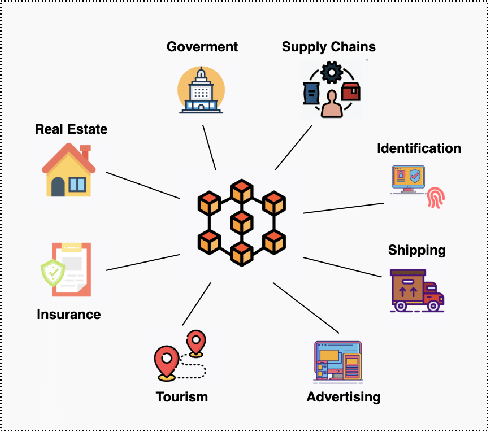
| Industry | Use Case Example |
|---|---|
| Finance | Cryptocurrencies, cross-border payments |
| Supply Chain | Real-time tracking, fraud prevention |
| Healthcare | Secure patient records, drug traceability |
| Real Estate | Transparent property transactions |
| Voting Systems | Tamper-proof digital voting |
| Entertainment | NFTs, royalty tracking |
Blockchain is also a backbone for Decentralized Finance (DeFi) and Web3, reshaping how we interact with digital services.
🔐 Key Benefit
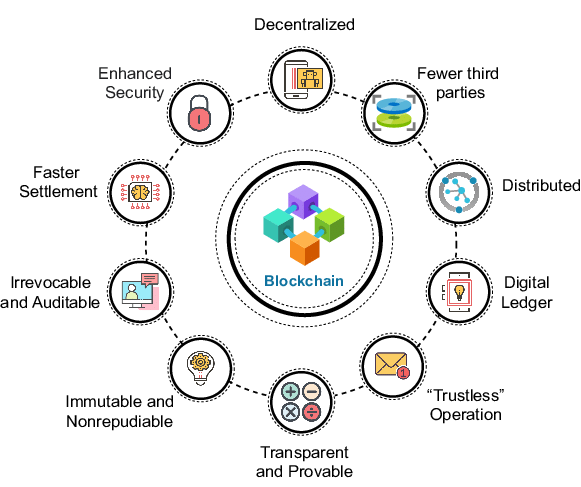
– Security: Cryptographic algorithms protect data.
– Transparency: All participants can view the ledger.
– Immutability: Once recorded, data cannot be changed.
– Efficiency: Reduces intermediaries and speeds up transactions.
– Trust: Builds confidence in digital interactions
⚠️ Challenges and Limitation
– Scalability: High transaction volumes can slow down networks.
– Energy Consumption: Especially in PoW systems like Bitcoin.
– Regulatory Uncertainty: Laws vary across regions.
– Complexity: Requires technical expertise to implement securely
🚀 Future Prospect
Blockchain is evolving rapidly:
– Layer 2 solutions like Lightning Network improve scalability.
– Interoperability protocols connect different blockchains.
– Green blockchains aim to reduce environmental impact.
– Integration with AI and IoT opens new frontiers in automation and smart ecosystems
📚 Getting Starte
If you’re new to blockchain, here are some great entry points:
Blockchain is more than just the technology behind cryptocurrencies—it’s a powerful innovation that promises to change how we handle data, trust, and digital transactions. As adoption increases, we can expect a future where transparency, security, and decentralization become the new normal.